
Arts & Culture · Museums
Holmes County Historical Society Museum
About
The Holmes County Historical Society Museum keeps the story of rural Holmes County on display in a modest building on West Kansas Avenue in Bonifay. Run by a locally rooted historical society, the museum fills its rooms with farming tools, household artifacts, and historical photographs documenting daily life in this stretch of the Florida Panhandle. It’s the kind of stop that rewards curious travelers willing to slow down and look closely at how earlier generations of Holmes County families lived, farmed, and built the community that surrounds Bonifay today.
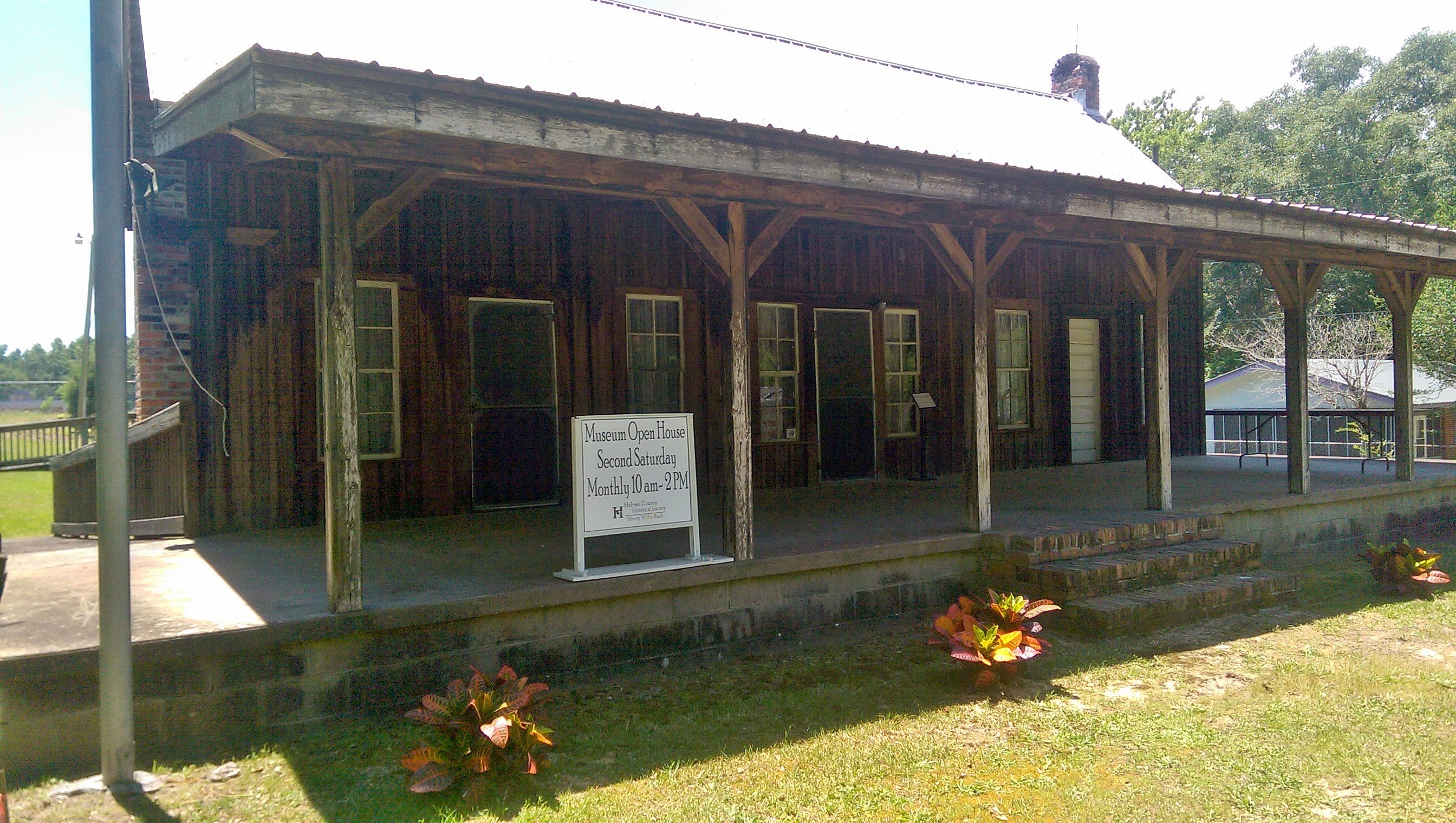
The museum is part of a broader, countywide effort to preserve local memory rather than a single roadside curiosity. Beyond its exhibit rooms, the historical society runs a heritage geo-trail along Highway 90 that guides visitors to historic sites scattered across the county, and it maintains a Story Stones program that captures local narratives tied to specific places. An ongoing oral history documentation project records firsthand accounts from longtime residents before those memories are lost, and the society offers genealogical and cemetery research services for anyone tracing family roots back to Holmes County. Its “This Place Matters” initiative rounds out the effort, encouraging residents and visitors alike to recognize the historic value of buildings and sites that might otherwise go unnoticed.
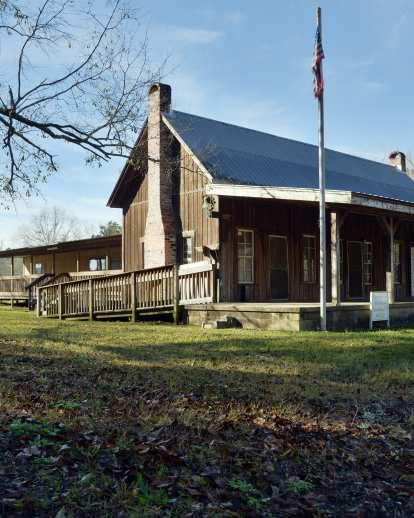
Because the museum is volunteer-run and locally owned, it keeps a limited schedule built around a single open house each month rather than daily staffed hours. Doors open on the second Saturday of every month, from 10 a.m. to 2 p.m., a four-hour window that makes advance planning worthwhile for anyone routing a Holmes County day trip around a visit. Visit Florida lists the historical society’s museum among Bonifay’s notable historic landmarks, alongside the Waits Mansion a few blocks away on the same avenue and the 1886 Keith Cabin, underscoring how central the preservation of local history has become to the town’s identity.
Bonifay itself dates back to 1882, when the Pensacola and Atlantic Railroad expanded through the area and the settlement took its name from Frank Bonifay, a prominent Pensacola businessman tied to the region’s brickmaking and rail investment. That railroad-era history runs through much of what the museum preserves: the farming implements, household goods, and photographs on display trace the shift from a scattered rural county to the incorporated town that eventually became the seat of Holmes County government. Visitors interested in the historical society’s genealogical resources can also reach out by email in advance of a visit to ask about specific family names or cemetery records, since the volunteer staff often has more depth of knowledge than the exhibit labels alone convey.
For anyone exploring the inland side of the Emerald Coast, the Holmes County Historical Society Museum offers a grounded counterpoint to the region’s beaches and springs. It’s a low-key, entirely local institution, kept alive by volunteers who care about Holmes County’s story staying intact for the next generation. Combine a Saturday museum visit with a stop at the Bonifay Indoor Flea Market on S Waukesha Street or a meal at one of Bonifay’s family-run restaurants, and you get a full afternoon that shows off a side of the Panhandle most beach-bound travelers never see. Locally owned and quietly persistent, the museum is proof that Holmes County’s history has plenty of dedicated keepers.
Because the museum opens only once a month, checking ahead before making the trip is worthwhile, especially for visitors coordinating a single inland day trip around several small Bonifay stops. Genealogy researchers in particular benefit from reaching out before arriving, since the volunteers who staff the open house can pull relevant photographs or cemetery records ahead of time rather than searching on the spot. That kind of personal attention, more common at a small county museum than at a larger institution, is part of what makes a visit to this Bonifay landmark worth building a schedule around.